
marine transfer stations
marine transfer stations
What are Marine TRansfer Stations?
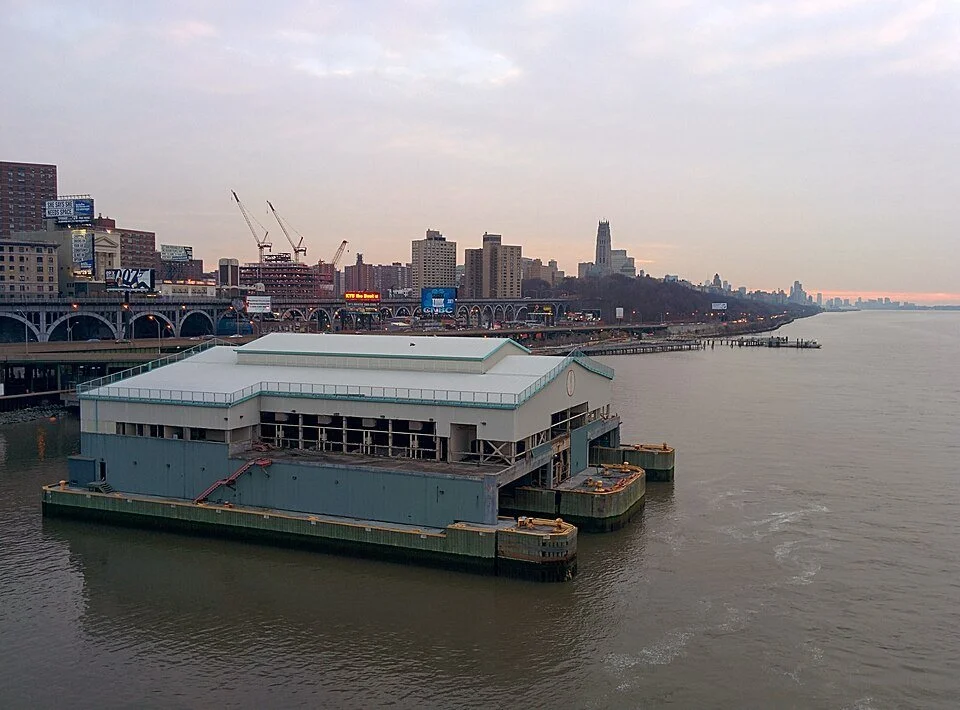
Marine transfer stations are publicly operated facilities where waste can be loaded onto barges instead of trucks. For years, environmental justice communities have pushed for these stations to handle commercial waste collected by private haulers. The City’s 2006 Solid Waste Management Plan found that using marine transfer stations this way could significantly reduce truck traffic and pollution without creating new noise or neighborhood impacts.
This shift is critical because New York City’s current system remains deeply unequal. After the closure of Fresh Kills landfill, waste handling became concentrated in a small number of predominantly Black and brown communities, where truck-based transfer stations still dominate. While policies like the 2006 plan, the Waste Equity Law, and Commercial Waste Zones were designed to reduce this burden and expand cleaner barge- and rail-based systems, progress has been uneven. Today, most private waste is still processed in just a handful of districts, underscoring the need to fully utilize marine transfer stations to create a more equitable, efficient, and less polluting system.
Current status
Advocacy around marine transfer stations (MTS) is ongoing, with NYC-EJA and partners continuing to push the City to fully deliver on long-standing commitments from the Solid Waste Management Plan. A central focus is reducing reliance on truck-based waste transfer by expanding the use of marine and rail infrastructure—key steps toward addressing the disproportionate burden placed on environmental justice communities.
Looking ahead to the 2026 Solid Waste Management Plan, advocates are calling for concrete action: allowing marine transfer stations to accept commercial waste, incentivizing private haulers to use existing rail facilities, and expanding capacity at sites like the West 59th Street Marine Transfer Station to handle both residential and commercial recyclables. Together, these steps would help cut truck traffic, reduce pollution, and move the City closer to a more equitable and efficient waste system for all.